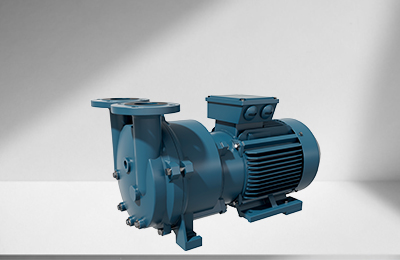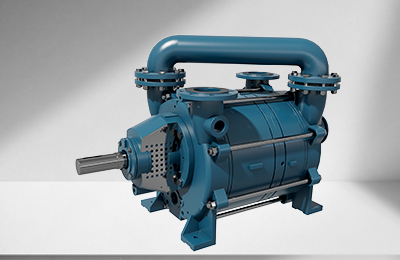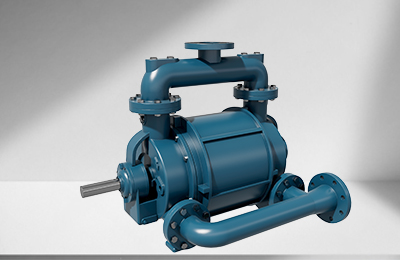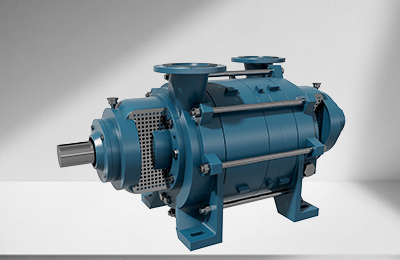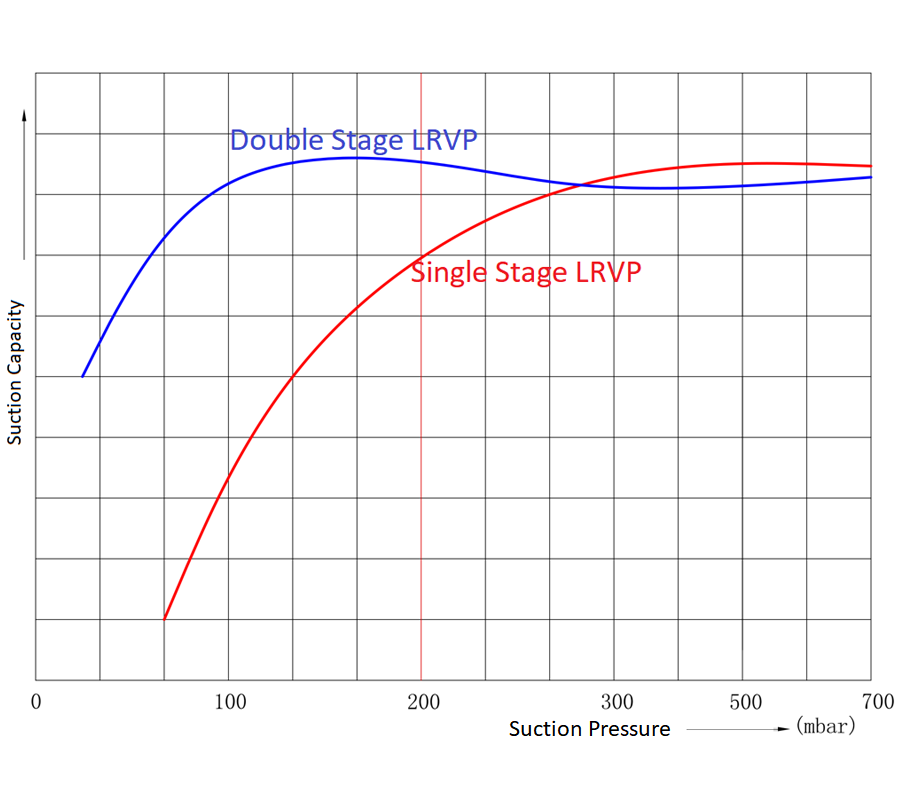
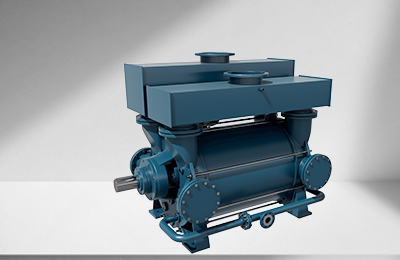
The 2BE Series liquid ring vacuum pump is a workhorse pump—not fancy, but incredibly dependable for tough industrial jobs.
Catalog
Liquid ring vacuum pumps and compressors play a significant role in advancing sustainability across multiple industries. Their unique design and operational characteristics align with key environmental, economic, and social sustainability goals.
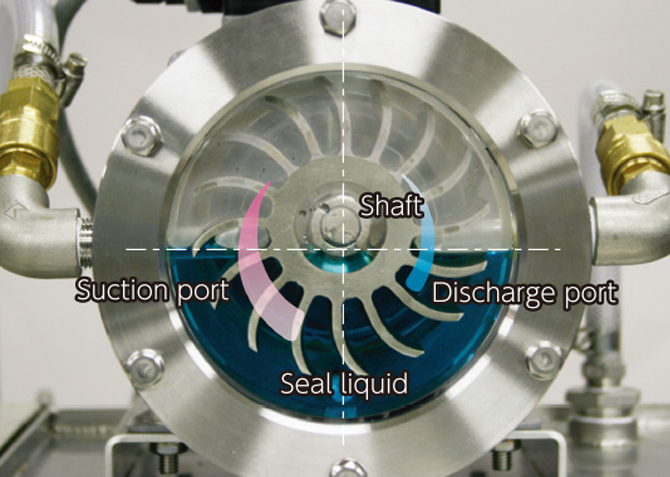
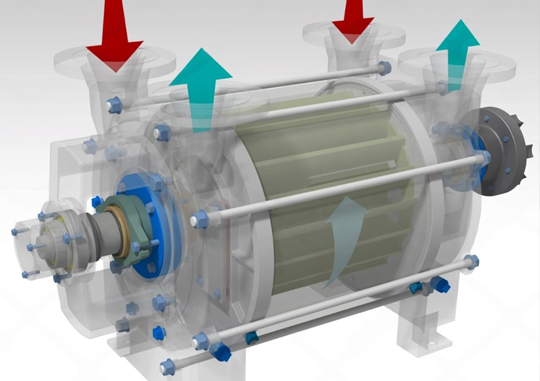
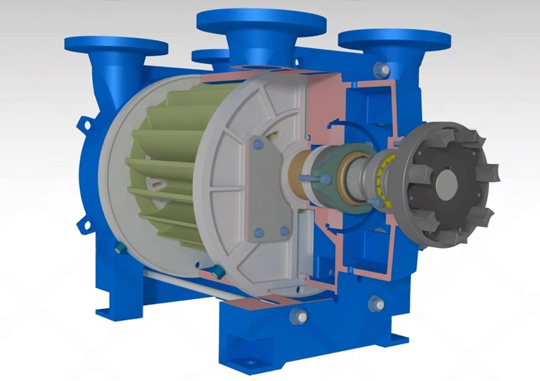
Imagine using a ring of water as a moving, sealable piston to create vacuum. That's the fundamental principle behind a liquid ring vacuum pump.
1. Initial Setup. A multi-bladed impeller is mounted off-center (eccentrically) inside a circular pump casing. The casing is partially filled with a sealing liquid (typically water). The impeller is connected to a motor that makes it rotate at high speed.
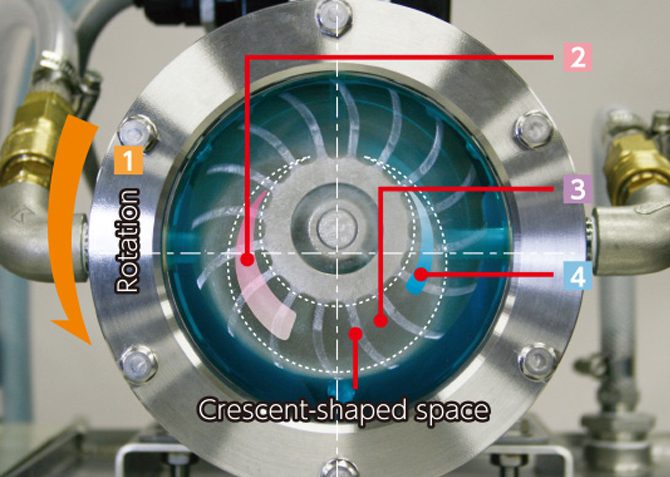
2. Formation of the Liquid Ring. When the impeller spins, centrifugal force throws the sealing liquid outward against the inner wall of the casing. This forms a stable, rotating liquid ring that follows the shape of the casing.
3. The Vacuum Creation Cycle. Because the impeller is mounted off-center, the space between the impeller hub and the liquid ring varies around the rotation. This creates three continuous zones:
4. Continuous Cycle. This process repeats for each of the 10-20 cells around the impeller, creating a smooth, continuous flow. About 30-40 times per second (at 1800-2400 RPM), each cell completes this intake-compression-exhaust cycle.